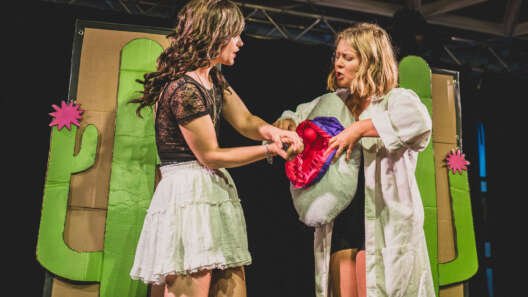
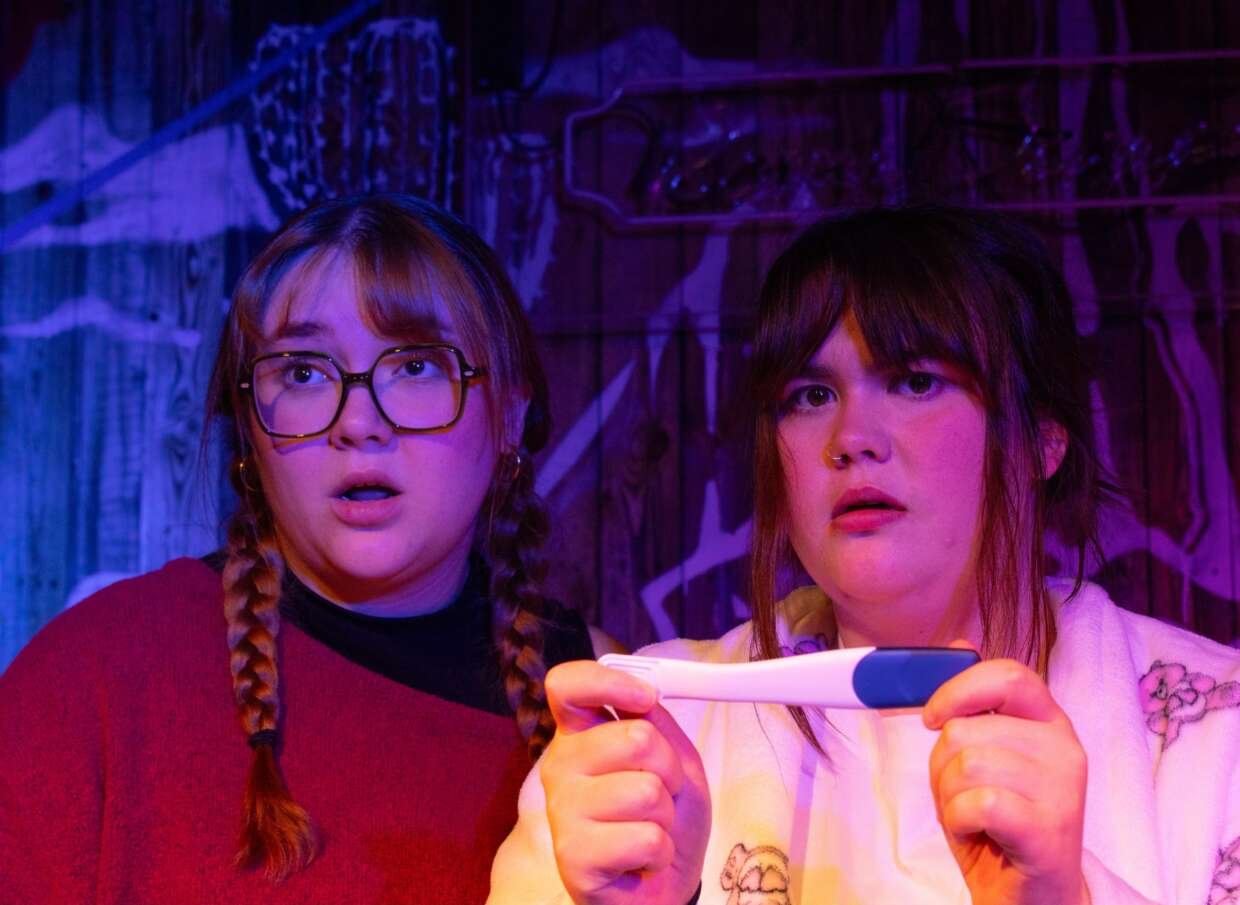
We spoke to Holly Paterson, the writer behind Uncorked at the Edinburgh Fringe, about using fertility and pregnancy to explore the changing shape of long-term friendship, why female friendships deserve the same emotional weight as romantic relationships, and what happens when two people who have grown up together suddenly find their lives moving at very different speeds.
What interested you in writing about fertility and pregnancy through the lens of a long-term friendship?
I was really interested in what happens to a friendship when life starts moving at completely different speeds for two people. I’m in the stage of adulthood where I’ve graduated university and moved into the territory of ‘adult friendships’ where you might see each other once a month if you’re lucky. At its heart, Uncorked is about two women who have grown up together and suddenly find themselves in a situation neither of them knows how to navigate. I wanted to explore the uncomfortable parts of loving someone whose life is changing in a way that you desperately want for yourself, or perhaps aren’t ready for yourself. Fertility and pregnancy felt like a particularly powerful lens for that because they can bring up so many complicated emotions like excitement, jealousy, grief, guilt, hope — sometimes all at the same time.
The show spends quite a long time establishing Kate and Nadia’s dynamic before the fertility storyline comes into focus. What did you want the audience to understand about their friendship during those opening scenes?
I wanted the audience to genuinely believe that Kate and Nadia have known each other for years. Their friendship isn’t something that exists because the plot needs it to. They have history, inside jokes, shared memories and all those little habits you develop when you’ve spent a huge part of your life with someone. The opening scenes are deliberately quite light because I wanted the audience to fall in love with their friendship before asking them to watch it become complicated. You need to understand how much they love each other before you can really feel the impact of the moments where they hurt each other. When you know somebody inside and out, you know exactly how to make them tick and how to make them feel better, I felt it was important to show the audience this before we reached the conflict.
How did you approach the shift in tone between the earlier comedy and the more serious material later in the play?
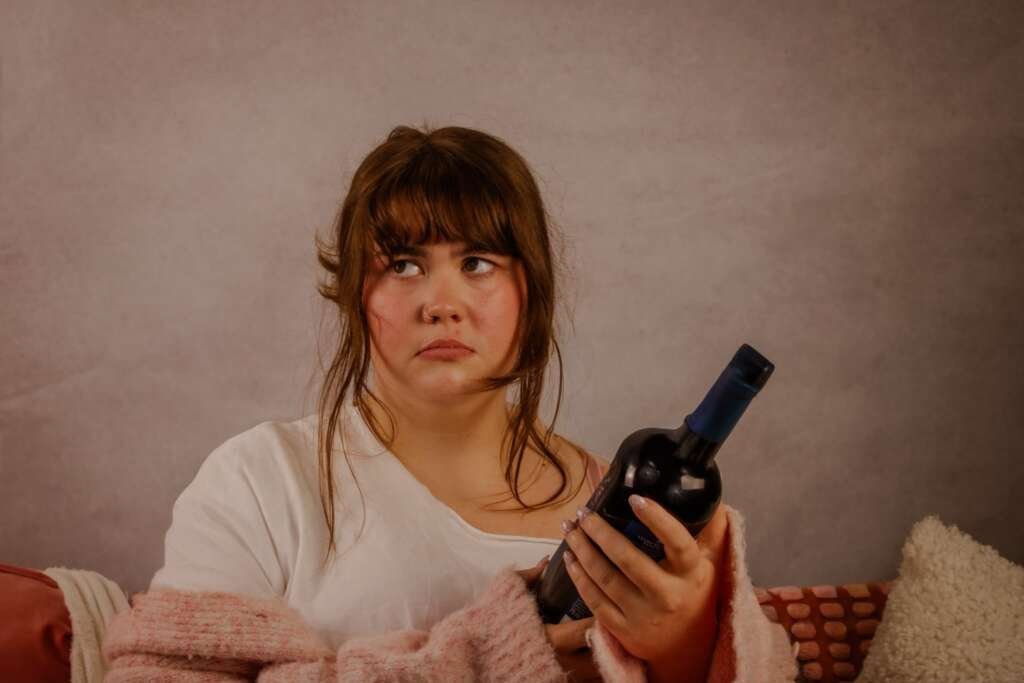
I think comedy is often the best way into difficult subjects. Uncorked starts from a very recognisable place. Two friends drinking wine, talking rubbish, reminiscing and having those conversations where you can go from laughing until you cry to suddenly talking about something incredibly serious. I didn’t want the serious moments to feel like the comedy had suddenly stopped and we’d entered a completely different play. The humour is part of who Kate and Nadia are, and people often use humour as a way of coping with things that are painful. So even when the subject matter becomes heavier, there are still moments of ridiculousness and warmth. Hopefully that makes the darker moments hit harder because the audience has spent so much time laughing with them.
More broadly, what interested you about exploring friendship as a relationship in its own right?
We talk so much about romantic relationships, but friendships can be some of the most important relationships in our lives, particularly as women. Your best friend can be the person who knows you before you know yourself.
I was interested in giving that relationship the same weight and complexity that we often give romantic relationships on stage. Friendships can involve love, loyalty, resentment, jealousy, forgiveness and heartbreak too. There can be a real grief attached to losing a friendship, or even simply losing the version of a friendship that you once had.
What makes a friendship survive major life changes?
I think it’s the ability to keep choosing each other, even when things become difficult. People change. Circumstances change. Sometimes you don’t even recognise the person you were five years ago, never mind the person your best friend was. I think strong friendships aren’t necessarily the ones that never experience conflict, but they’re the ones where both people are willing to be honest, listen and accept that the relationship might need to change in order to survive. And sometimes, unfortunately, loving someone isn’t enough. I think Uncorked asks that question too.
What are you hoping audiences take away from Uncorked?
I hope people leave thinking about the friendships in their own lives. I know most people will recognise something of themselves in Kate or Nadia, whether that’s being the person who is struggling, the person who doesn’t know what to say, or simply the friend who is trying desperately to do the right thing and gets it completely wrong. I hope audiences laugh and cry and I hope they recognise the ridiculousness and the messiness of being an adult and trying to maintain relationships while life keeps throwing things at you. And if someone leaves the theatre and texts their best friend to say, “I love you, you horrible cow,” then I’ll consider that a win!
Finally, what other shows have you seen at the Fringe this year that you’d recommend?
I’ve been trying to see as much as I possibly can this year! My top picks have to be Papercuts and Turn the Cloth. Both amazing pieces of new writing centred around female stories, which is unapologetically my favourite genre.
All images by Mirren Fia/Fluere Photography