



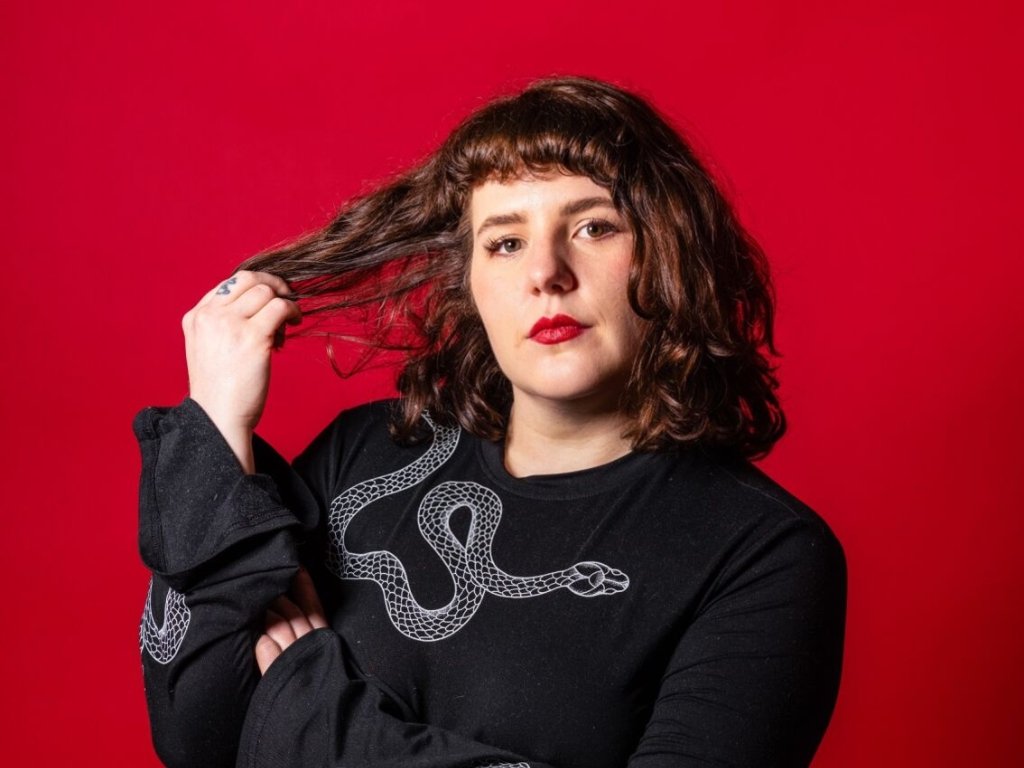
In Better Than Revenge, Amanda Dwyer turns some of her most difficult experiences – from intimate image abuse to sexual assault and disastrous relationships – into a darkly funny hour of autobiographical stand-up.
We spoke to Dwyer about learning to laugh at things that once made her ill, taking the power out of painful memories, deciding what is fair game in autobiographical comedy, and why revenge ultimately turned out not to be quite as satisfying as she imagined.
If you had to describe Better Than Revenge in three words that aren’t “better than revenge”, what would they be?
Dark, honest and funny.
The show takes experiences that are painful, awkward or humiliating and turns them into comedy. How did you work out what you were ready to laugh about and what still needed to be treated differently?
With the revenge porn story, when I started telling my pals about it over the past year or two, I would think back and feel like: that is kind of funny.
At the time, it was not funny at all. I was really, really ill over it. But when I started talking to people about it, we were laughing about how they’d got themselves into kind of similar situations… sending nudes to people and regretting it for various reasons.
I started to look at it from a different point of view and thought, that’s actually hilarious: how I met him and what it turned into. I think I’d maybe feel differently if the video had come out. I don’t know. I think I’d still be able to laugh at it now.
Now that I’m older, I’ve got a bit of confidence and I know who I am. Back then I thought what happened made me a bad person because I’d done that. Whereas now I’m like: no, I was just a silly, vulnerable teenage girl who trusted the wrong person.
So I don’t hate myself for it, and I can laugh at it.
I enjoy laughing at things that were once hard. It’s my favourite thing to do.
If somebody has gone through things they’ve been made to feel shame for, I hope they can realise that it’s not their shame to carry.
With my first boyfriend, I laugh about parts of that relationship, but obviously what happened isn’t funny. I don’t want to take away from the fact that women are sexually assaulted by men they know, or sometimes men that they love, all the time, and nobody really talks about it.
I’m able to find humour in the things surrounding that. There are parts of the relationship that were funny and things that happened afterwards that were funny, so I feel comfortable laughing around it. But obviously I’m not laughing at the act itself.
If you’re ready, I think you can laugh at anything you’ve been through. That was 18 or 19 years ago. Was I laughing about it back then? No.
I’ve had arguments with men I’ve been friends with over the years about these issues because it’s something I feel very strongly about. I get really angry when people don’t know the facts or have these assumptions… men saying women make these things up to harm men, for example.
I could argue about the facts day and night, but I wanted to highlight it in a humorous way because I think that’s a good way to draw attention to something without just bringing a horrible subject up in conversation.
You’re now performing these stories every night. What is it like repeatedly returning to memories that someone else might perceive as traumatic?
I think how I feel about these things at the start of the month will probably be quite different come the end of the month.
Before I started doing the show at the Fringe, I was terrified. I was kind of shitting my pants about the fact that it might be too much for people. I didn’t know how it was going to be received.
It’s quite a dark subject and there might be people coming who I could upset, and that’s the last thing I’d want to do. Before I started, I felt really awful about it, really scared and apprehensive. Like, is this a mistake?
Once I’d done the first couple of shows, I thought: no, you know what? I’m enjoying doing it.
I like talking about these things. I know it’s not going to be for everyone, but when you write shows like this, you’re doing it for yourself, really. You’re doing it for yourself and for other people who’ve had similar experiences.
When I go home at night and think about how it went, and people were laughing, or I get messages from people who’ve seen the show saying it really resonated with them, I think: no, I’m doing it for the right reasons.
It’s a good way to process the things that have happened as well. The more I talk about it, it’s no longer a weight on my shoulders. It’s just something people know and that I’ve been honest about.
These are things I hid for years and years and years. Being able to say them into a microphone has really helped. They don’t matter anymore in the same way. They’re not controlling how I live my life anymore.
It’s taking the power away from them.
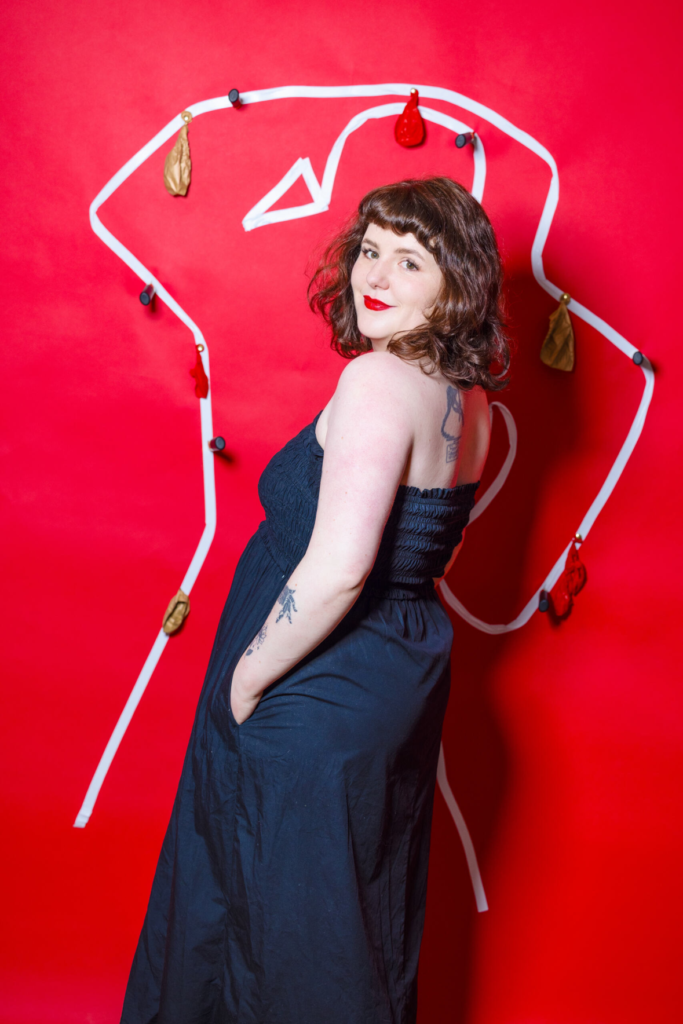
How have audiences reacted? Has anything surprised you?
I’d say the audience reaction has been 99% very, very positive. There are always going to be one or two people who aren’t going to enjoy it.
I was really worried about the dark bit where I talk about the sexual assault. I thought once I’d said that, I wouldn’t be able to make the whole room laugh again for the rest of the show.
I’ve been surprised that hasn’t been the case at all.
Once I do that bit, I move on and make jokes again, and it goes back to being a comedy show. It feels like a comedy show 95% of the time. When I’m saying what happened, people stop laughing; obviously, because it would be crazy if they were laughing at that.
I’ve been surprised by how willing people are to go with me. They trust me to bring them into that really dark bit and then make things funny again.
I think using visual things helps as well. There’s a really silly GIF afterwards, and it helps take their mind somewhere else.
At first I was trying to use something funny during the serious bit, but it was too weird. Eventually I thought: no, I’m just going to need you to accept that for that wee minute, people are going to be uncomfortable. That’s normal. That’s the point.
So now I just lean into it, and then we get back out and we’ll be silly again.
You talk about relationships a lot in the show. What have those relationships taught you about yourself and what you now expect from another person?
So much.
I was married before, and I don’t really talk about that relationship in the show, but having had those bad experiences in the past really helped me realise: hold on a minute, this marriage isn’t the kind of relationship I actually want to spend the rest of my life in.
It gave me the guts and the sense to say, no, I’m going to end this, because this isn’t what I want.
I know who I am. I know how I want to be treated because I have been treated so poorly in my first couple of encounters and relationships with men.
Now I just don’t take any shit from anyone, really, which is good.
In a way I’m grateful that I was put through all that, because I don’t know who I would be if I hadn’t. It’s hard to imagine what my relationships would be like if I hadn’t experienced all those shit things.
I’m really confident now in who I am and what I want from another person. I guess I’m grateful that I learned pretty early on that some things just won’t do.
You also talk about your son in the show. Did becoming a mother change the way you thought about some of those experiences?
Having a son was scary.
I always wanted to be a mum, and I wanted a son because there aren’t very many boys in my family. But the older he got, I was like: oh God, he’s going to grow up and be a man. He’s a cute little boy now, but he’s actually going to turn into a man, and some of them are terrible.
So I thought: how do I make sure he is the kind of man who would never treat anyone the way that men have treated me?
I wanted to make sure he grew up knowing how to treat women, how to respect women and what women go through, because a lot of men just don’t get it, or they’re not interested.
I thought: I’m going to make sure he’s not one of those men. I think I’ve managed so far.
And also, he’s super gay, so he’s not going to be bothering women, which is great.
When you’re making autobiographical comedy, how do you decide what feels fair to share when those stories also involve exes, friends, family members or colleagues?
If I’m being really honest, unless I really care about the person, I don’t really consider them.
I just think: as long as what I’m saying is true, and the goal of me saying it isn’t just to take them down or offend them, is it crucial to what I’m trying to say?
Obviously, in this show I don’t name any of the men I talk about because I feel like that would maybe be a step too far. It would be quite easy for people who’ve been in my life to figure out who I’m talking about from clues about my age and things like that.
But I’m sharing my experience. I’m not doing it solely to out them.
As much as I’m telling quite crazy things they’ve done, I’m trying to respect the fact that they probably wouldn’t want me to do that. But tough. That’s what happened, and that’s my experience, and I’m going to be honest about it.
I enjoy laughing at things that were once hard. It’s my favourite thing to do.
With my son, I ran everything by him. I said, “Is it okay if I talk about this, this and this? Is it okay if I play this voice note?” And he said yes.
There were other bits I wanted to put in about him that were really funny and he said, “I don’t want you to say that.” So I didn’t, because that wouldn’t be fair.
If I had relationships with these other men where I could say, “Hey, do you mind if I say this?” maybe I would. But I don’t have those relationships with them, so I don’t really consider how they would feel.
I just do what I think feels like the right thing to do and the right thing to say about it.
Was there anything you wanted to put into Better Than Revenge that ultimately couldn’t make it into the show?
Yes. I wanted to put in a story about my ex-husband assaulting me once and us having to go to court for it.
It wasn’t funny, but there were so many funny things that happened around it.
When you’re the victim of a violent crime, you get a support worker on the day you go to court. Mine was this really tiny wee old lady, and she was so cute and sweet.
Then his defence lawyer was the spitting image of Gene Wilder in Willy Wonka and the Chocolate Factory – the hair and everything. I was just like: this is hilarious.
At one point they brought up a text message I’d sent before he assaulted me where I called him the C-word, and they made me read it out.
I was just aware that this wee 80-year-old woman was standing behind me while I was reading these messages, and I thought: this is horrible.
But it was also so funny.
I think I always underestimate older people. If a really old person comes into my show, I think, “Oh, they’re going to hate this.” If I’m talking about sex, I think they might not like it.
Then I remember: they’ve lived. They’ve probably had more sex than anyone here. They’ve lived lives that we have absolutely no idea about.
Sometimes I find them laughing the most.
What do you hope someone who recognises themselves in parts of the show comes away thinking about their own experiences?
I focus on shame quite a bit.
If somebody has gone through things they’ve been made to feel shame for, I hope they can realise that it’s not their shame to carry.
When you go through an experience and feel a lot of shame about it, then realise other people have done the same thing, you think: oh, right. Okay. I’m not the only one. I’m not an absolute freak. This has happened to other people.
You feel a bit better about it.
So if you see yourself in the show, I’m sorry that you see yourself in the show.
But don’t carry these things. Everybody makes mistakes. You don’t need to be defined by them.
You can learn from them, live with them, laugh with them and treat yourself better going forward.
I’d like people to feel comfort from it, I guess.
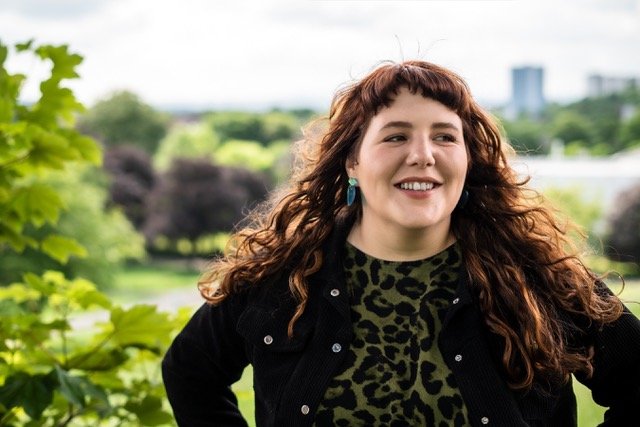
The show is called Better Than Revenge. When you started writing it, did you actually want revenge?
When I started writing the show, what I really wanted to do was get revenge on the man who had sexually assaulted me.
I started doing crazy research. I tracked down his address. I thought, maybe I’ll send him anonymous letters. Then I was Googling, “Is it illegal to send anonymous letters?” and finding out it was only illegal if they were threatening and then thinking mine could probably be seen as quite threatening.
I found out he’s married now and has a kid, and I thought: it would be nice if his wife knew.
Well, not nice. It would be horrible for her. I really wanted to expose him. But then when I thought about it properly, I got really upset. I thought: you’re ruining somebody else’s life, this woman who I don’t know. I don’t know how he treats her. I can’t imagine it’s great. Maybe he has changed.
Everybody makes mistakes. You don’t need to be defined by them.
What if I ruin their little family unit? And for what? Would I actually feel that great about it? Probably not.
When I set out to write the show, I wanted to be quite vindictive and take revenge. Then I realised that’s just not me.
I’ll just laugh at them instead. When you sit and really think about the things people have done to you, you can get really angry. Then I thought: why would I give him that much space in my mind?
I know I’m writing a show about it, but the show isn’t just about him.
Ultimately, I decided taking any action would probably be more harmful to me than anyone else.
And finally, what other Fringe shows would you recommend?
I went to see Elf Lyons’ The Woman on the Edge the other night. So good.
It’s stand-up, but it’s also quite theatrical. She does clown and mime and all that sort of stuff as well.
It’s really hard to describe without making it sound shit, but it’s one of the best things I’ve ever seen. I was laughing all the way through, and at the end I was bawling my eyes out. Me and the stranger next to me were just sobbing at each other’s faces.
It was so good. It was beautiful.
I always go and see Rosco McClelland as well. He’s funny. And I’m going to see Krystal Evans, she’s very good. She’s got a work in progress called I’m Going to Die in a Ditch.
Just funny Scottish women, I would say. And Rosco.



[…] Amanda Dwyer on shame, revenge and finding the funny side of things that once hurt […]