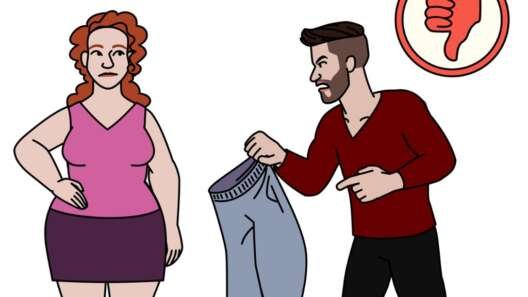



This resource explores different types of relationships and how people understand consent.
These questions came from participants in our Sex Ed for Grown Ups course.
1. What is a polyamorous relationship?
Polyamory is when someone has or wants multiple consensual romantic or sexual relationships at the same time.
Polyamory involves:
- Everyone agreeing
- Open communication
- Honesty
Useful resources
The Sexual Health Hub’s Love, sex and relationships easy-read: https://thesexualhealthhub.co.uk/sexual-health/easy-read-information
Podcast on polyamory and disability: https://www.multiamory.com/podcast/364-polyamory-and-disability
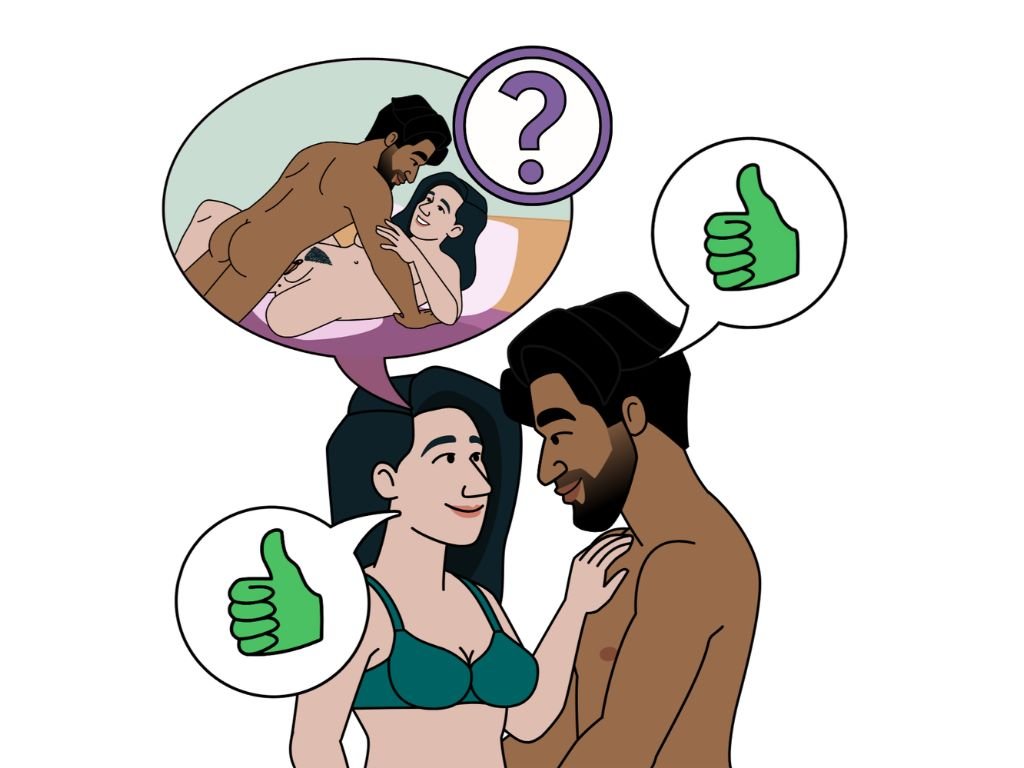
2. How does being autistic change how people understand sexual consent?
Some autistic people can find understanding and learning about consent difficult for lots of different reasons. In our group, we discussed these and came up with a list of reasons. These can include:
- Challenges interpreting body language;
- Social cues can be hard;
- Interpreting non-literal language can be challenging;
- Some autistic people (particularly the women in our group) said they might feel its rude to say no.
What is sexual consent? An easy read guide: https://www.fife.gov.uk/__data/assets/file/0016/41335/Making-decisions-What-is-sexual-consent-PRINT-VERSION-1.03.22-New.pdf
About this resource
This resource is based on real questions from disabled adults who took part in Sex Ed for Grown Ups, delivered by Pillow Talk Scotland with Three Sisters Consultancy.
The programme was funded by the Agnes Hunter Trust and is part of our work to make sex and relationships education more accessible and inclusive.
If you found this helpful, you can support us to keep creating free resources like this with a donation.
All illustrations thanks to SWIRL