

Self-care note: This wrap-up includes discussion of women’s health, anti-LGBTQIA+ policies and behaviours, gender based violence, and more. If you find this distressing or triggering, remember to take it at your own pace. You may prefer to read small sections, wait until you feel ready to read it all, or choose not to read it at all.
1. Scotland moves to regulate Botox and filler industry 💉
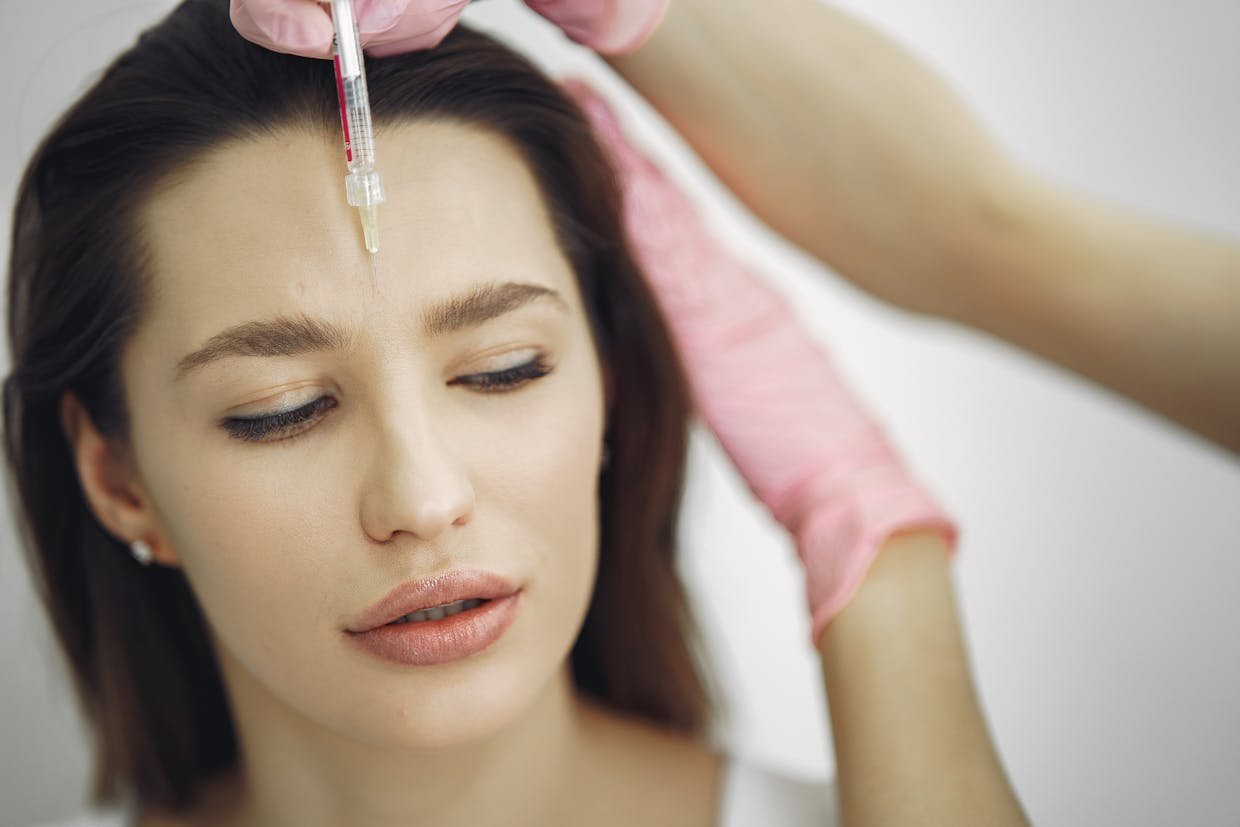
Scotland has passed new legislation to regulate non-surgical cosmetic procedures such as Botox, fillers and Brazilian butt lifts, after the sector was described as a “wild west”.
The new law will require these procedures to be carried out by registered medical professionals in appropriate settings, and makes it illegal to perform them on anyone under 18. The move comes after growing concerns about safety, with hundreds of people — including teenagers — reporting complications from botched treatments.
Ministers say the legislation is focused on patient safety as demand for cosmetic procedures continues to rise. While some practitioners already operate responsibly, others have been criticised for offering treatments without adequate training or oversight.
Source: STV News
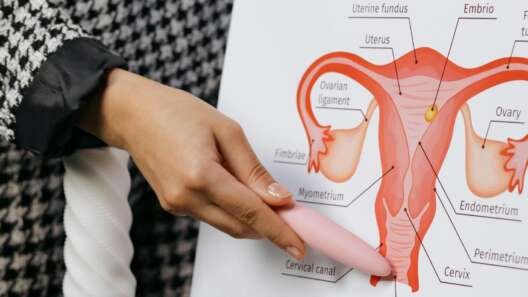
2. Women’s health hubs now open across Wales 🩺
A women’s health hub is now open in every health board area in Wales, the government has announced.
The hubs have been designed to meet local needs, and some are already accessible on-site, while others will initially be available online only.
Some services will be available by referral, while others will be open access.
As part of the Women’s Health Plan launched in December 2024 and based on feedback from around 4,000 women across Wales, the hubs will receive £300,000 in funding per health board this year.
Source: Gov.Wales
3. England and Wales to expand electronic tagging 📍
Ministers have announced the biggest expansion of electronic tagging in British history, with tens of thousands of offenders in England and Wales set to leave prison wearing tags that track their location in real time.
The government says the move will allow probation officers to monitor higher-risk offenders more closely, including domestic abusers, stalkers, terrorists, murderers and prolific sex offenders. A new pilot will also test proximity tags for domestic abusers and stalkers, designed to alert authorities if they approach their victims.
The plans come amid an overcrowding crisis in prisons and growing pressure on the probation service. Critics say tagging can be useful as part of supervision, but warn it is not a substitute for proper staffing, support and enforcement and could create a false sense of security if breaches are not acted on quickly.
Source: The Guardian
4. New blood test may help detect endometriosis 🩸
A new blood test may help detect endometriosis better than ultrasound and MRI, according to a study presented this week at the American & Global College of Endometriosis Specialists Annual Meeting in Las Vegas.
The researchers analysed 298 women who underwent surgery to look for signs of endometriosis and found that the blood test identified 80 per cent of confirmed cases, correctly excluded the condition in 97.5 per cent of individuals, and detected more than 61 per cent of cases that had been missed on imaging studies.
Endometriosis is a chronic condition in which tissue similar to the lining of the womb is found in other parts of the body. Globally, it affects around 190 million individuals of reproductive age with a womb.
Source: Reuters
Stay in the loop on sex & relationships
Want this kind of sex, health and rights roundup in your inbox every week? Our Weekly Wrap pulls together the key stories on pleasure, policy and protest – with context you won’t get from a scroll.
5. Many Japanese workplaces lack specific measures for LGBTQIA+ people 🏢
A new survey conducted by the nonprofit organisation Nijiiro Diversity of around 2,000 LGBTQIA+ people found that 54.9 per cent of respondents cannot rely on specific measures in their workplace.
This represents a slight improvement compared with previous years. More than 57 per cent in 2022 and over 60 per cent in 2023 said their companies had not implemented any specific measures for LGBTQIA+ people.
However, the percentage of trans respondents who saw or heard someone at school or work making negative comments about transgender people rose from 37.4 per cent in 2022 to 47.4 per cent in 2024.
Maki Muraki, director of Nijiiro Diversity, said: “It’s necessary to secure places where such individuals can feel secure as well as a consultation system, given that discrimination against those people is on the rise.”
Source: The Japan Times
6. Delhi government approves free bus travel for trans people 🏳️⚧️
Transgender passengers will soon be eligible for free bus travel in Delhi, thanks to a landmark move by the government led by Rekha Gupta.
Trans people have been included in the same free bus travel scheme that allows women to travel across the city without paying fares.
Chief minister Gupta said, “The government remains committed to building a more inclusive, equitable and compassionate Delhi, where every citizen is able to access opportunities and public services with dignity”.
Source: The Times of India
7. Russia to send childfree women to psychologists under new guidelines 👶
Russian women who say they do not want children could be referred to psychologists under new health ministry guidelines aimed at promoting a “positive attitude” towards motherhood.
Under the updated rules, doctors carrying out reproductive health checks will ask women how many children they plan to have. If a woman says she does not intend to give birth, she may be sent for counselling with a medical psychologist. The recommendation does not apply to men. Critics say the move is part of a wider Kremlin campaign against so-called “childfree ideology” as Russia faces a worsening demographic crisis.
The policy comes after the government outlawed the promotion of childfree lifestyles in 2024 and amid broader efforts to boost birth rates, including restrictions on abortion access and financial incentives for pregnancy. Campaigners say it reflects growing state control over women’s reproductive choices.
Source: The Times
8. Women’s health and safety uneven worldwide 🌍
According to the Hologic Global Women’s Health Index, more women than before report being tested for specific conditions, such as high blood pressure and diabetes, and say they feel safer in their communities.
However, not all countries have seen the same kind of progress. For instance, older women in wealthier countries are those benefiting most from preventive care. By contrast, testing rates have not changed in low-income nations. Sexually transmitted infection (STI) testing has remained unchanged since 2020.
The Index also highlights a significant gender gap in safety: women are less likely than men to feel safe in any country.
Established in 2020, the Index is now in its fifth edition and was conducted among more than 145,000 women and girls, and men and boys, across 144 territories.
Source: Gallup
Help keep this wrap free for everyone
Pillow Talk Scotland is small, independent and community-funded. Putting together this weekly wrap, our journalism and our events takes time, care and money – and we don’t take cash from advertisers.
If you value having clear, shame-free storytelling on sex and relationships, please consider supporting us.
→ Make a one-off donation
→ Become a monthly supporter and help us make room for pleasure across Scotland
Main image: Rob Browne