

Self-care note: This wrap-up includes discussion of women’s health, anti-LGBTQIA+ policies and behaviours, gender based violence, and more. If you find this distressing or triggering, remember to take it at your own pace. You may prefer to read small sections, wait until you feel ready to read it all, or choose not to read it at all.
1. Anti-racist women in Scotland face abuse from far-right groups 🚨
Women participating in anti-racist activism in Scotland have reported widespread harassment and threats from far-right groups, despite those groups claiming to “protect women.”
An investigation by The Ferret found at least 14 women were targeted with misogynistic abuse, including online harassment, doxxing, and threats of violence. Many described being followed, filmed, or intimidated at protests, with some installing security measures or stepping back from public life due to safety concerns.
Campaigners say the abuse is deeply gendered and reflects a wider pattern of far-right movements exploiting women’s safety to fuel racism and division.
Despite the risks, those targeted say they remain committed to defending human rights and supporting asylum seekers.
Source: The Ferret
2. Scotland considers raising minimum marriage age to 18 ⚖️
Scotland is considering raising the minimum age of marriage from 16 to 18, following a public consultation and growing concern about forced and coerced marriages.
Campaigners say the current law leaves young people, particularly girls, vulnerable to pressure, despite forced marriage being a criminal offence. Survivor and activist Nyla Khan, who says she was taken abroad and forced into marriage as a teenager, has backed the change but warns stronger protections are still needed.
Experts argue raising the age would align Scotland with the rest of the UK and offer an additional safeguard against coercion, as well as long-term risks linked to early marriage, including poverty and domestic abuse.
Source: STV News
3. Generations of children left behind by British soldiers in Kenya 👶🏽
A BBC investigation has found that British soldiers stationed in Nanyuki, Kenya, fathered children with local women and, in some cases, left without contact or support.
The two-year investigation identified nearly 100 documented cases linked to men serving at the British Army Training Unit Kenya, with children now ranging in age from 3 to 70. Some described growing up in poverty, facing stigma, or spending years trying to find their fathers.
Using DNA ancestry databases, lawyers and a geneticist helped some families trace former soldiers. The investigation raises wider questions about consent, power dynamics, accountability, and the legacy of Britain’s military presence in Kenya.
Source: BBC
4. NHS tightens pregnancy checks after rise in maternal deaths 🏥
NHS England will set more routine checks for pregnancy, as maternal deaths hit 20-year high.
According to the latest official data, there were more than 250 maternal deaths between 2022 and 2024, which is 20 per cent higher than 20 years ago. Nearly half of the deaths could also have been prevented.
Every maternity service in England will have to set higher standards to ensure staff will promptly act in case of deadly complications. Hospitals will have until March 2027 to introduce the new national measures, with those who fail to do so being “held to account”, the NHS said.
Source: Sky News
Stay in the loop on sex & relationships
Want this kind of sex, health and rights roundup in your inbox every week? Our Weekly Wrap pulls together the key stories on pleasure, policy and protest – with context you won’t get from a scroll.
5. Trans people face higher suicide rates in UK, investigation finds 🏳️⚧️
A new investigation has found that transgender and non-binary people in the UK are dying by suicide at higher rates than the general population.
Analysing coroners’ reports, interviews with families, Freedom of Information requests, media reports and publicly available datasets, Good Law Project and QueerAF found that 56 trans people have died by suicide or self-inflicted death over the past 10 years, with nearly half of them being under the age of 18.
Experts link these deaths to healthcare rollbacks and the distress caused by long waiting times for gender care appointments.
Source: Queer AF
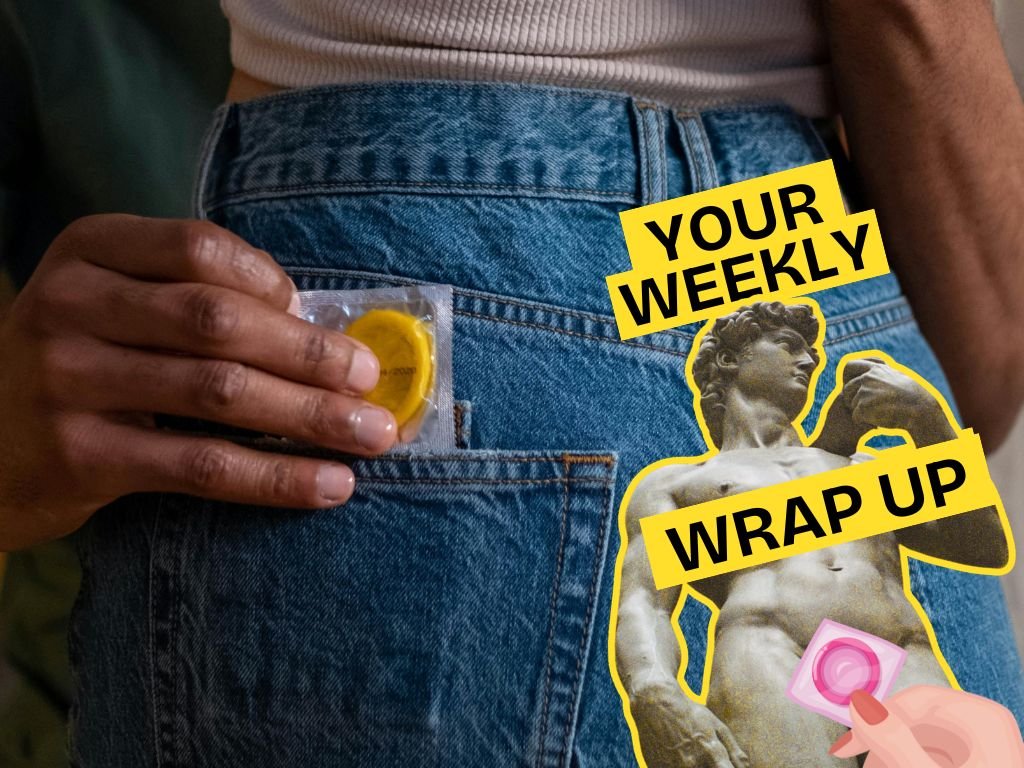
6. Condom prices could rise amid global supply disruptions 📦
Condom prices could increase by up to 30 per cent as global supply chains are disrupted by the Iran war, according to the world’s largest manufacturer, Karex.
The Malaysian company, which supplies major brands and health systems including the NHS, says rising costs for raw materials, shipping delays, and increased demand are driving the price hikes. Global stock shortages have also been worsened by cuts to international aid programmes.
Experts warn that higher prices and reduced availability could impact access to contraception, particularly in lower-income countries, raising concerns about reproductive health and inequality.
Source: The Guardian
7. Hungary’s anti-LGBTQIA+ law violates EU values, top court finds 🏳️🌈
Hungary’s anti-LGBTQIA+ law is in breach of several EU laws and represents “a particularly serious interference with several fundamental rights”, the Court of Justice of the European Union has ruled.
The law, approved in Hungary in 2021, bans the “portrayal or promotion” of sexual orientation and gender identity to minors in education, media and advertising. The Court has asked Hungary to repeal it.
It is the first time the Court has found such a violation across member states.
Source: Politico
8. Australia expands blood donation rules for LGBTQ+ people 🩸
As new rules come into effect, more gay, bi and transgender people in Australia will be able to donate blood. This will result in up to 20,000 additional blood donations each year.
Until now, many people from the LGBTQIA+ community were not allowed to donate blood if they had had sex in the past three months, regardless of whether they had the same partner. This restriction was introduced in the 1980s to limit the spread of HIV.
Under the new rules, all donors will be asked questions about recent partners, and men will not have to disclose whether they have had sex with other men.
Source: The Guardian
Help keep this wrap free for everyone
Pillow Talk Scotland is small, independent and community-funded. Putting together this weekly wrap, our journalism and our events takes time, care and money – and we don’t take cash from advertisers.
If you value having clear, shame-free storytelling on sex and relationships, please consider supporting us.
→ Make a one-off donation
→ Become a monthly supporter and help us make room for pleasure across Scotland
Main image: