

Self-care note: This wrap-up includes discussion of women’s health, anti-LGBTQIA+ policies and behaviours, gender based violence, and more. If you find this distressing or triggering, remember to take it at your own pace. You may prefer to read small sections, wait until you feel ready to read it all, or choose not to read it at all.
1. Charities speak out after attacks on Green MSP 🏳️⚧️
A coalition of Scottish equalities charities has issued a statement supporting newly elected Green MSP Q Manivannan after days of abuse targeting their immigration status and gender identity.
Manivannan, one of Holyrood’s first trans parliamentarians, has faced online harassment and hostile media coverage following their election. Critics questioned their right to serve while on a visa, despite Scottish law allowing people with leave to remain to stand for election.
Groups including Scottish Trans, LGBT Youth Scotland, Engender, and Inclusion Scotland warned that this kind of hostility risks discouraging women, LGBTQIA+ people, disabled people, and people from minority ethnic backgrounds from entering public life.
Source: Third Force News
2. PCOS renamed to improve diagnosis and treatment 🩺
Polycystic Ovary Syndrome, a condition affecting more than 170 million individuals worldwide, has been renamed Polyendocrine Metabolic Ovarian Syndrome (PMOS).
The decision follows a 14-year-long process, involving more than 50 patient and professional organisations aimed at improving diagnosis and care.
A complex condition characterised by hormonal fluctuations, PMOS had previously been reduced to an increase in abnormal cysts on the ovaries, leading to delayed or missed diagnoses as well as inadequate treatment.
Experts also hope that the new name and focus will help attract greater funding and encourage further research into the condition.
Source: ITV News
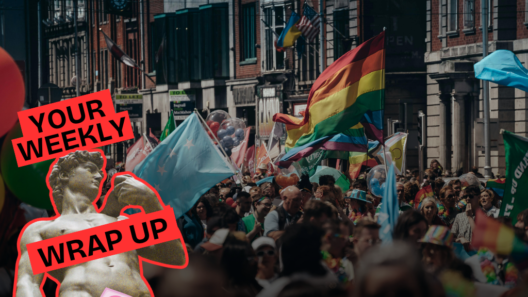
3. Spain is the best country in Europe for LGBTQIA+ people, new research finds 🌈
According to ILGA-Europe’s 18th annual Rainbow Map, Spain is the best country in Europe for LGBTQIA+ people.
Analysing 49 European countries based on laws and policies affecting the community, ILGA-Europe found that Spain has taken first place thanks to the implementation of a series of measures, including the depathologisation of trans identities in healthcare, a new independent equal treatment and non-discrimination authority, and new legal protections.
The UK, now ranked 22nd, was in first place in 2015.
Source: ILGA-Europe
4. Wearable patches help diagnose infertility 💡
A wearable skin sensor patch could help diagnose unexplained infertility, according to two new studies.
Supported by artificial intelligence, the patch can monitor reproductive hormones that may contribute to patients’ fertility problems.
In the first study, researchers tested the patch on 102 men, both with and without fertility problems. In the second, they tested it on 312 women with regular menstrual cycles who were either fertile or experiencing fertility problems.
The researchers found that men and women with normal results in standard laboratory tests may still have undetected disruptions in the timing and coordination of their reproductive hormones, which could affect fertility.
Source: Reuters
Like what we do? Help us do more!
Pillow Talk Scotland is small, independent and community-led charity.
If you value having clear, shame-free storytelling on sex and relationships, please consider supporting us.
→ Make a one-off donation
→ Become a monthly supporter and help us make room for pleasure across Scotland
5. Member states should ban conversion practices, EU says 🏳️🌈
In response to a campaign calling for a ban on conversion practices in the EU, the European Commission said conversion therapies would not be banned at EU level, but that countries should introduce bans nationally.
The campaign, called the “European Citizens’ Initiative”, collected more than 1.1 million signatures and called for a binding legal ban on conversion practices in the EU, which can include verbal, physical and sexual abuse, coercion, and forced medication.
However, the European Commission said responsibility lies with Member States, and that it plans to adopt a recommendation in 2027 urging countries to ban these practices.
Campaigners described the decision as a “missed opportunity”.
Source: Politico
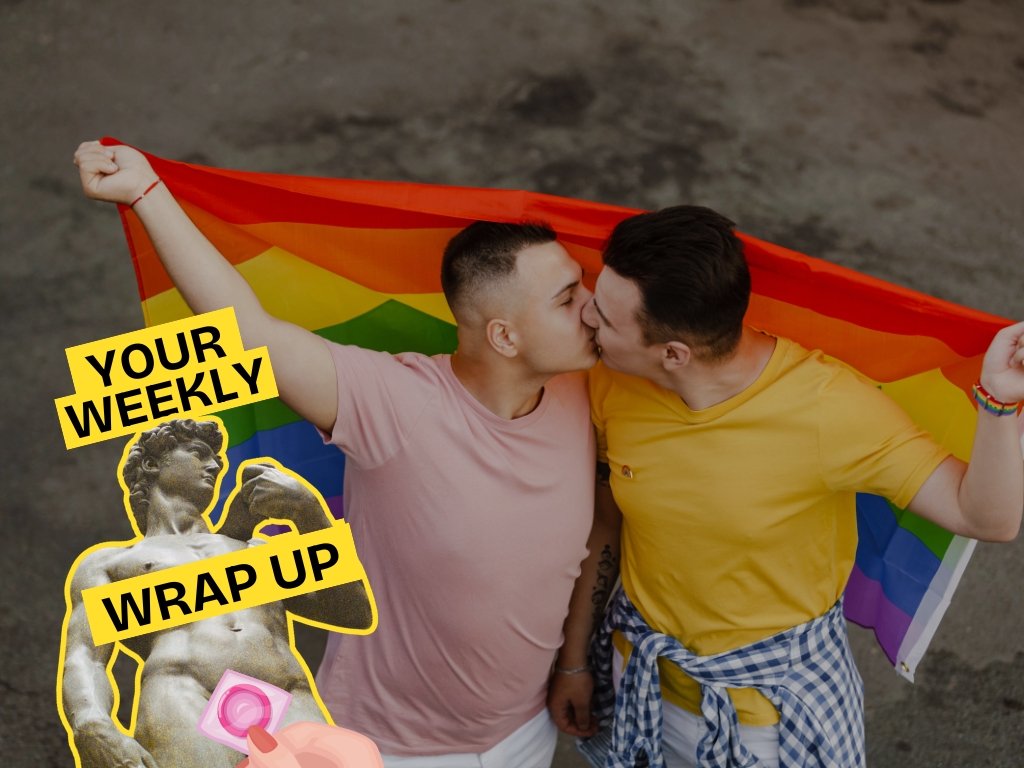
6. Warsaw registers first same-sex marriage 🌈
Warsaw has registered its first same-sex marriage, following court rulings requiring Poland to recognise same-sex marriages entered into elsewhere in the EU.
The move follows a ruling from the EU’s highest court and a Polish court decision involving two Polish men who married in Germany. Warsaw’s mayor said the city will also proactively recognise other Polish same-sex marriages registered in EU countries.
Same-sex marriage and civil partnerships remain illegal in Poland, but campaigners say the registration marks an important step for LGBTQ+ rights in a country where legal recognition has long been contested.
Source: Associated Press
7. Sexual violence surges in Haiti, UN warns 🚨
From January to March, almost 2,000 cases of gender-based violence were reported in Haiti, averaging around 21 cases a day. More than 70 per cent of these were cases of rape, the majority of them gang rapes carried out by armed groups, with women and girls making up the majority of survivors.
These figures confirm a broader rise in gender-based violence that began last year, when a 25 per cent increase was recorded compared with 2024.
The UN also warns that, despite the surge, support services remain severely underfunded, with only eight per cent of the required funding having been received.
Source: UN News
8. Japan’s late-night cafés offer refuge for exhausted mothers ☕
A growing number of late-night cafés in Japan are opening to support mothers caring for babies who will not stop crying overnight.
The spaces, inspired by a manga concept, offer somewhere parents can rest, feed or change babies, and talk to volunteers during the most isolating hours of childcare. One café in Hokkaido opens free of charge from 9pm to 6am, with similar community-led initiatives appearing in other regions.
The cafés highlight both the need for practical postpartum support and the loneliness many parents face, particularly when public services are limited at night or weekends.
Source: Japan Today