Self-care note: This wrap-up includes discussion of suicide, women’s health, anti-LGBTQIA+ policies and behaviours, gender based violence, and more. If you find this distressing or triggering, remember to take it at your own pace. You may prefer to read small sections, wait until you feel ready to read it all, or choose not to read it at all.
1. New tool aims to prevent PMDD-related suicide 🧠
Researchers at the University of the West of Scotland have developed a new tool to help identify and prevent suicide linked to Premenstrual Dysphoric Disorder (PMDD), a severe hormone-related condition.
PMDD affects around one million people in the UK and is associated with high levels of mental health distress, with many experiencing suicidal thoughts or self-harm. The new model is designed to help healthcare professionals recognise patterns of risk, particularly the cyclical nature of symptoms across the menstrual cycle, and intervene earlier.
Researchers say the tool could improve understanding of a condition that is often underdiagnosed and overlooked, helping to deliver more timely and effective support.
Source: University of the West of Scotland
2. AI tools missing key cancer symptoms, charity warns ⚠️
A new investigation by The Eve Appeal has raised concerns about the accuracy of AI health advice, finding that tools like ChatGPT can miss key warning signs of gynaecological cancers.
In a series of test scenarios, researchers found the chatbot failed to flag ovarian cancer as a possible cause of persistent bloating and overlooked vulval cancer in cases of ongoing itching. It also sometimes provided outdated or inappropriate advice not aligned with NHS guidance.
The charity warns that as more people turn to AI for health information, there is a risk of false reassurance delaying diagnosis. Experts stress that AI tools should not replace medical advice and that symptoms should always be checked by a healthcare professional.
Source: The Eve Appeal
3. Abortion decriminalised in England and Wales ⚖️
Women in England and Wales can no longer be prosecuted for ending their own pregnancies, following changes to the Crime and Policing Bill.
The reform removes Victorian-era laws that allowed women and girls to be arrested, investigated, or prosecuted for abortions outside the legal framework. Existing time limits and clinical regulations remain in place, meaning medical professionals and abusive partners can still face consequences if they act unlawfully.
Campaigners and abortion care providers have called the change a landmark step toward treating abortion as healthcare, rather than a criminal matter.
Source: Cosmopolitan UK
4. Racism can impact pregnancy outcomes, new research says 🧠
Systemic racism could help explain why Black women are at greater risk of dying during childbirth, a new research found.
Researchers from the University of Cambridge have reviewed 44 studies and found that Black women have higher levels of oxidative stress, inflammation, and uteroplacental vascular resistance, which are associated with negative pregnancy outcomes.
According to the researchers, this is due to socioenvironmental stressors such as systemic racism and deprivation. These stressors are known to have a biological impact and may interfere with pregnancy.
First author and researcher Grace Amedor said: “Pregnancy and childbirth put great stress on a woman’s body. Black women may experience additional strain due to factors including systemic racism, socioeconomic disadvantage and environmental stressors.”
She also added that she was “surprised that although this disparity had been known for a long time, there was little research into the potential underlying physiological reasons.”
Source: The Guardian
Like what we do? Help us do more!
Pillow Talk Scotland is small, independent and community-led charity.
If you value having clear, shame-free storytelling on sex and relationships, please consider supporting us.
→ Make a one-off donation
→ Become a monthly supporter and help us make room for pleasure across Scotland
5. EU Parliament call for a consent-based definition of rape in all EU countries ⚖️
In a report voted on Tuesday, Members of the European Parliament called for a common definition of rape based on “freely given, informed and revocable consent”. They said this is the only way to ensure access to justice.
The Parliament also said that the EU must adopt a victim-centred approach, including immediate medical, sexual and reproductive healthcare, psychological support and legal assistance, and called for mandatory training for professionals likely to come into contact with victims of gender-based violence, including doctors and police officers.
MEPs also stated that all European countries should align with international standards, including the Istanbul Convention, the Council of Europe treaty on preventing and combating violence against women and domestic violence.
Source: European Parliament
6. Activists in Malta install abortion pill lockboxes 🚨
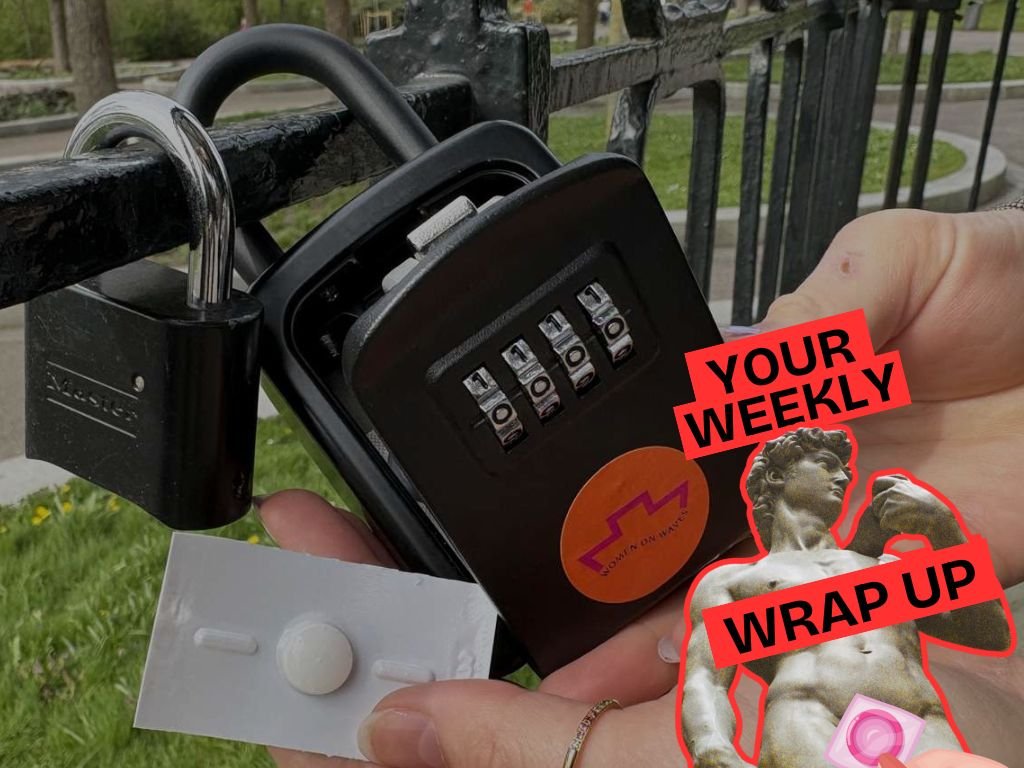
Pro-choice campaigners in Malta have installed lockboxes containing abortion pills across the country, in protest against some of Europe’s strictest abortion laws.
The initiative allows people under nine weeks pregnant to request access to the pills, highlighting what activists describe as a “dire” lack of reproductive rights. Abortion in Malta remains illegal in almost all circumstances, including cases of rape or incest, with limited exceptions only when a person’s life is at risk.
Campaigners say the project responds to growing demand for abortion access, as more people turn to pills by post or travel abroad for care. Critics warn the campaign could face legal challenges.
Source: The Guardian
7. Women in public life face increasingly sophisticated and damaging violence, UN warns 🚨
According to a new report published by UN Women, women in public life are facing increasingly sophisticated, technology-enabled forms of violence, leading to a rise in mental health diagnoses and self-censorship.
Human rights campaigners, activists, journalists, writers and public figures are being increasingly targeted by online abuse aimed at silencing them. For instance, approximately 45 per cent of women journalists and media workers said they self-censor online, while 22 per cent reported doing so in the workplace. Among activists, 43 per cent said they self-censor online.
A growing form of violence targeting women in the public sphere is AI-enabled image-based abuse. Almost 10 per cent of writers and public communicators, eight per cent of activists, and five per cent of journalists said they had been subjected to deepfake-related abuse.
Source: UN Women
8. HIV patients in Senegal skip treatment for fear of arrest 💉
Many HIV patients are avoiding visiting treatment centres in Senegal, according to official data seen by Reuters. This may be due to fear of arrest or abuse.
In March, Senegal passed a bill doubling the maximum prison term for same-sex sexual acts to 10 years, and more than 80 people have been arrested since February, when the bill was announced. Media outlets have exposed those arrested by publishing their full names and HIV status.
Experts fear that the recent drop in visits to HIV treatment centres could threaten Senegal’s fight against the virus.
Source: Reuters